Watering Can for the Garden: A Designer's Review Before You Stitch
When I first opened the Watering Can for the Garden machine embroidery design, I felt that familiar mix of curiosity and professional caution. As someone who has tested hundreds of embroidery files for everything from client apparel to shop inventory, I have learned that a design can look promising on screen but behave very differently under the needle. This applique design from the Forest category caught my attention because of its straightforward, charming silhouette. The watering can is a classic motif that appeals to gardeners, home decor lovers, and anyone looking for a soft, natural aesthetic. But charm alone does not guarantee a smooth stitching experience or a finished product that sells. I spent time testing this design on several projects, and I want to share what I found so you can decide whether it fits your workflow, your product line, or your next custom order.
A Design That Feels Grounded and Approachable
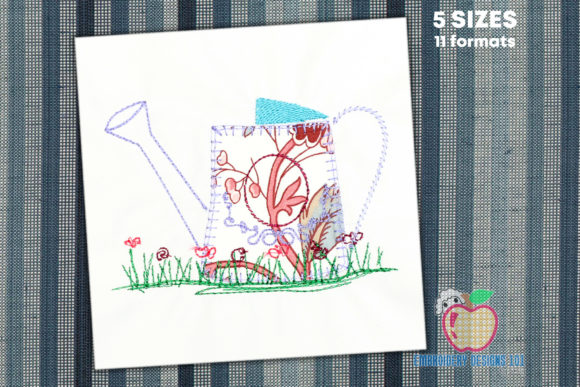
The first thing I noticed about Watering Can for the Garden is its visual personality. It does not try to be overly detailed or photorealistic. Instead, it presents a clean, recognizable shape that reads well from a distance. That is a smart choice for embroidery, especially if you are stitching onto items like tote bags, aprons, or sweatshirts where the design needs to hold its own against the fabric texture. The applique approach means the main body of the watering can is built from fabric layers, with satin stitch edges and a few fill stitch or running stitch accents to define the spout, handle, and perhaps a small plant or water droplet detail. The mood is gentle, nostalgic, and slightly rustic. It reminds me of weekend gardening and handmade gifts. That emotional resonance is valuable for anyone selling personalized gifts or boutique merchandise. Customers respond to designs that feel intentional and warm, not generic or overly commercial.
Because the steps are separated by color, the stitching process is straightforward. I appreciate that clarity because it reduces guesswork during hooping and thread changes. For a design like this, where the applique fabric choice can dramatically change the final look, having clear color separation helps you plan your materials in advance. Whether you are stitching for a craft fair or a custom order, that kind of organization saves time and reduces mistakes.
Testing It on a Real Project: The Gardener's Tote Bag
I decided to test Watering Can for the Garden on a sturdy cotton tote bag. Tote bags are a staple in my small shop, and they are forgiving enough for testing new designs while still being popular with customers. I chose a natural unbleached cotton tote with a medium weight. For the applique fabric, I used a soft green linen blend for the watering can body and a cream cotton for the handle and spout accents. The contrast was subtle but visible, and the overall effect felt organic and earthy. I used a tear-away stabilizer and a standard 60/40 bobbin thread, and I made sure to test the design on scrap fabric first to confirm that the satin stitch density was appropriate for my machine.
The stitching went smoothly. The satin stitch edges were clean, and the applique layers lined up well. I did notice that the handle area, which has a narrow curved section, required careful placement of the applique fabric to avoid shifting. If you are using a slippery fabric or a very lightweight cotton, I recommend a temporary spray adhesive to hold the layers in place. The running stitch details added just enough definition without making the design feel busy. After trimming the excess fabric and finishing the edges, the watering can looked crisp and professional. I took the tote bag to a local market as a test piece, and it caught the attention of several customers who commented on the "sweet gardening design." That is exactly the kind of reaction you want from a handmade product.
How the Design Performs Across Different Products
One of the reasons I kept testing Watering Can for the Garden beyond the initial tote bag was its versatility. I wanted to see how it would hold up on different surfaces and for different use cases. Here is what I found across several common product types:
- Custom apparel and sweatshirts: On a medium-weight cotton sweatshirt, the design sat flat and did not pucker. The applique added a nice texture without feeling bulky. I would avoid using it on very thin t-shirts unless you back it with a cutaway stabilizer, because the satin stitch density may cause some show-through on lightweight knits.
- Baby clothes and nursery decor: The watering can motif is gentle enough for a baby onesie or a small pillow. However, I recommend scaling the design down only if your hoop size and machine allow it. The applique layers need enough room to register cleanly, and shrinking the design too much may cause the satin stitch to become too dense for delicate fabrics.
- Aprons and kitchen towels: This is where the design really shines. A garden-themed apron or a set of tea towels with this watering can design would sell well at farmers markets or as gift sets. I stitched it onto a linen kitchen towel, and the applique held up beautifully after several washes. Just be sure to pre-wash your fabric to avoid shrinkage that could distort the design.
- Patches and small shop merchandise: If you sell embroidered patches, this design could be a strong addition to your catalog. The clean shape makes it easy to trim and finish. I tested it as a patch on a denim jacket, and the applique layers gave it a handcrafted look that fit the jacket's style.
- Holiday and personalized gifts: For a housewarming gift or a birthday present for a gardener, this design works well on a pillow cover or a simple tote. Adding a name or monogram in a complementary font could elevate it into a personalized product that commands a higher price.
Where to Use This Design Carefully
As much as I like Watering Can for the Garden, I have to be honest about its limitations. This design is not ideal for every surface or every project. Here are a few situations where I would proceed with caution:
- Small hoop sizes: If your hoop is smaller than the recommended size for this design, you may struggle to fit the entire watering can without distortion. Always check the design dimensions against your hoop capacity before committing.
- Dark or very textured fabrics: The applique relies on fabric contrast to define the shape. On a dark fabric, you will need a light applique fabric for the main body, and the satin stitch edges may need a thread color that pops. Test on a scrap piece first to ensure the design reads clearly.
- Stretchy or unstable fabrics: Knits, jersey, and stretchy blends can cause the applique layers to shift during stitching. Use a firm stabilizer and consider a basting stitch around the design area before starting the applique process.
- Curved surfaces like caps: The watering can has a relatively broad shape, which may not fit well on a curved cap brim or a small hat crown. I would not recommend this design for caps unless you are certain the proportions work.
- Dense stitch areas: While the design is not overly dense, the satin stitch sections can become heavy if you use a thick applique fabric. Test the stitch density on your machine to avoid thread breaks or fabric puckering.
Visual Appeal, Customer Trust, and Product Value
From a business perspective, Watering Can for the Garden offers solid value. The design is recognizable without being generic, and the applique technique adds a handmade quality that customers appreciate. When I displayed the finished tote bag at a market, I noticed that people lingered over it. They touched the fabric, inspected the stitching, and asked whether it was machine embroidered or hand-stitched. That kind of engagement is gold for a small shop owner. It opens the door to conversations about your process, your materials, and the care you put into each product. In a world of mass-produced goods, a well-executed applique design stands out.
For Etsy sellers and digital product creators, this design also works well as a preview in printable mockups. The clean silhouette photographs nicely, and the applique texture adds depth to listing photos. I created a simple mockup of the watering can on a cream apron, and it looked professional enough to use as a primary listing image. If you sell finished products, this design can help you build a cohesive brand around garden-inspired or nature-themed items. The Forest category placement makes sense, as the watering can fits into a broader natural aesthetic that includes botanicals, animals, and outdoor motifs.
Practical Designer Notes Before You Stitch
Before you load Watering Can for the Garden into your machine, here are a few things I recommend checking:
- Test on scrap fabric first. This is non-negotiable. Every machine handles applique slightly differently, and your fabric choice will affect the final result. Stitch the design once on a practice piece to confirm that the satin stitch width, density, and registration work well with your setup.
- Check thread color contrast. The design uses multiple steps separated by color, so plan your thread palette carefully. A subtle contrast can look elegant, but too little contrast may make the design hard to read. I suggest testing it in black and white mockups to see if the shape holds its own without color cues.
- Review stitch density. If the design feels too dense for your fabric, consider using a lighter stabilizer or a thinner applique fabric. Conversely, if the edges seem loose, you may need to increase the satin stitch density slightly.
- Confirm hoop size and design dimensions. This information should be available in the file details. If not, measure the design in your software before hooping. A design that is too large for your hoop will cause alignment issues.
- Use proper stabilizer for the fabric type. For towels and aprons, a medium tear-away works well. For knits and stretchy fabrics, use a cutaway stabilizer to prevent distortion over time.
- Check licensing before selling. If you plan to sell finished products featuring this design, or if you intend to resell the digital embroidery file itself, verify the usage rights. Many designs allow commercial use for finished goods but restrict resale of the digital file. Always respect the creator's terms.
Final Thoughts on Watering Can for the Garden
After spending time with Watering Can for the Garden, I can say with confidence that it is a well-designed applique file that suits a range of real-world embroidery projects. It is not the most complex or dramatic design in the catalog, but that is part of its strength. It is approachable, reliable, and easy to pair with other motifs or personalization. Whether you are stitching for your own craft business, preparing a custom order, or looking for a design that will appeal to gardeners and nature lovers, this watering can deserves a spot in your digital collection. Just remember to test it thoroughly, choose your fabrics thoughtfully, and let the applique layers do the work of creating a finished product that feels handmade and intentional.