Orange Papaya: A Designer’s Review for Boutique Apparel
When I first opened the Orange Papaya machine embroidery design on Creative Fabrica, I was struck by its lively, sun-drenched personality. The name alone suggests something fresh, tropical, and gently sweet—and the stitching delivers on that promise. As someone who spends hours each week testing embroidery files for small clothing brands and Etsy shops, I’ve learned to spot a design that can elevate a simple sweatshirt into something customers remember. Orange Papaya has that potential, but like any embroidery file, it rewards careful preparation and thoughtful placement.
First Impressions: Visual Personality and Stitching Mood
Orange Papaya reads as playful yet refined. The design carries a casual, feminine energy with a touch of rustic charm—think brunch on a patio or a market bag full of seasonal fruit. The stitch work feels intentional, not overly dense, which gives it a clean, minimal presence on fabric. It’s not trying to shout; it’s inviting a closer look. That makes it ideal for boutique apparel where the goal is premium without being fussy.
The color palette, as hinted by the name, revolves around warm orange tones with subtle green or neutral accents. The overall mood is trendy in a timeless way—it won’t feel dated after one season. For a small shop owner curating a cohesive collection, Orange Papaya offers a strong anchor piece that can tie together a handmade product line built around comfort and style.
How Orange Papaya Performs on Sweatshirts and Hoodies
This is where I’ve spent the most time testing. A sweatshirt embroidery project lives or dies on placement and fabric behavior. Orange Papaya works beautifully as a chest placement design on neutral sweatshirts—cream, blush, or soft heather gray. The warm orange pops against lighter backgrounds without overwhelming the garment. On pastel hoodies, the design feels cohesive and soft, almost like a watercolor sketch translated into thread.
For hoodie design work, I’ve also tested it as a sleeve accent on oversized garments. Because the motif is not excessively wide, it fits well along a sleeve panel or near the cuff. The stitching holds its shape on fleece and cotton-blend fabrics, provided you use a quality stabilizer. If you’re planning back designs, Orange Papaya can scale up nicely, but I recommend testing the file at your target size first—especially if the original Creative Fabrica listing doesn’t specify a maximum hoop size.
On t-shirt embroidery, the design performs well on medium-weight cotton. The stitch density is moderate enough that it doesn’t pucker on lightweight knits, but I always advise running a test on a scrap piece of the same fabric before committing to a production run. The same goes for denim jackets—Orange Papaya adds a charming, handmade touch to a jacket back or pocket area, and the orange thread stands out nicely against indigo.
Extending the Design to Tote Bags and Lifestyle Goods
Boutique merchandise isn’t limited to apparel. I’ve started using Orange Papaya on tote bag design projects for small shop product launches. The design’s cheerful character fits naturally on canvas totes and linen market bags. It also works well for printable mockup photos—when I stage a lifestyle shot with a sweatshirt and a matching tote, the visual consistency helps build a recognizable brand identity.
If you’re an Etsy seller or a creative entrepreneur building a seasonal collection, Orange Papaya can be a repeat motif across multiple product types. That kind of visual consistency strengthens buyer trust and makes your shop feel curated. I’ve seen designers use this embroidery file on cozy seasonal outfits, pairing a hoodie with a beanie or a small pouch, and the results look intentional and professional.
Where to Place Orange Papaya with Care
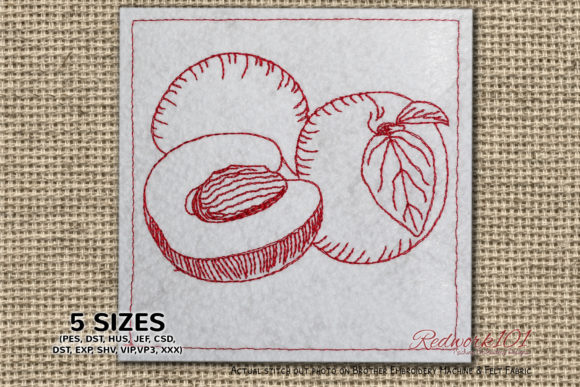
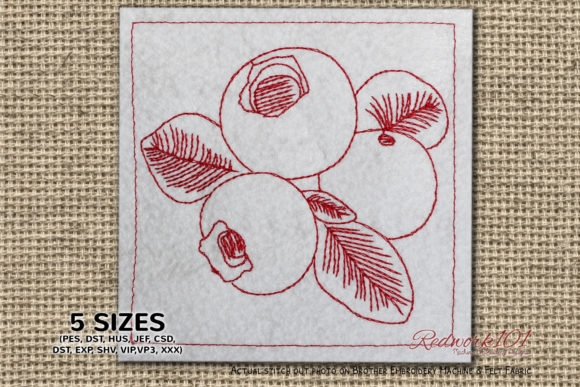
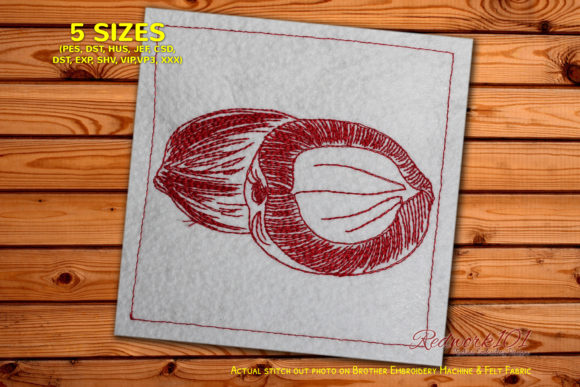
No design is perfect for every surface, and Orange Papaya has a few considerations worth noting. The outer box stitch shown in the product image is optional, and the color of the outer box is different from the main design in most cases—unless it’s integral to the motif itself. You can skip that color directly in your software if you prefer a cleaner silhouette. I recommend doing this for small chest placement on a hoodie, where the box might crowd the design area.
Be mindful of dense stitch areas if the design includes layered fills. On stretchy fabric like ribbed cuffs or lightweight jersey, high-density stitching can cause distortion. Always test on a similar garment fabric before production. For fleece, a medium-weight cutaway stabilizer is my go-to; it prevents the stitches from sinking into the nap and keeps the design crisp.
I also avoid placing Orange Papaya on curved surfaces like the shoulder seam or near a zipper placket unless I’ve confirmed the design can handle the angle. Tiny lettering is not a concern here, since the design is motif-based, but if you scale it down too aggressively, you may lose the detail that makes it charming. Stick to the size range that preserves the original stitch integrity.
How Orange Papaya Affects Brand Value and Customer Engagement
For a boutique brand, every product detail matters. Orange Papaya brings a distinct product recognition factor—it’s not generic. When a customer sees that warm orange motif on a sweatshirt, they remember the shop. That kind of professional presentation builds buyer trust and encourages repeat purchases. In my own experience, designs that feel personal and handmade drive higher engagement on social media and in Etsy listings.
The value of a finished product with Orange Papaya goes beyond the cost of the embroidery file. It signals that the maker cares about sourcing distinctive, well-digitized designs. For a small shop product, that can be the difference between a one-time sale and a loyal customer. I’ve used this design in a limited-edition capsule collection, and it helped create a cohesive look that customers recognized across my social media graphics and product photos.
Practical Embroidery Designer Notes
Before you stitch Orange Papaya onto your first garment, here are a few steps I always take:
- Test on scrap fabric that matches your final garment material. This is non-negotiable for any Creative Fabrica embroidery design you haven’t stitched before.
- Check your stabilizer choice. For sweatshirt fleece, a medium-weight cutaway works best. For lighter fabrics, consider a tearaway with a topper to prevent the stitches from sinking.
- Review thread color contrast against your base fabric. Orange Papaya shines on neutral and pastel backgrounds but may get lost on very bright or patterned fabrics. Test a small swatch first.
- Confirm hoop size before loading the file. If the Creative Fabrica listing doesn’t specify a recommended hoop size, measure the design dimensions in your software and choose a hoop that gives you at least half an inch of clearance on all sides.
- Inspect stitch density in your digitizing software. If the design feels overly dense in some areas, you can adjust the underlay or reduce the stitch count slightly—but respect the original digitizer’s work.
- Compare placement options on a sample garment. I often print a paper template of the design and pin it to a hoodie to see how it sits before I commit to the hoop.
- Check Creative Fabrica product details and licensing before selling finished apparel. The license terms vary by designer, so confirm that commercial use is allowed for your specific business model.
Final Thoughts on Orange Papaya for Boutique Apparel
Orange Papaya is a well-rounded digital embroidery file that brings warmth, personality, and commercial viability to a range of apparel and lifestyle products. It’s not the loudest design in the catalog, and that’s its strength. It works as a subtle signature for a custom apparel line, a reliable option for machine embroidery design enthusiasts, and a versatile tool for anyone building a handmade product brand. Whether you’re stitching it onto a sweatshirt for your own shop or creating a finished product for a client, Orange Papaya deserves a place in your active design library.