Sweet and Twisted – A Designer’s First Take
When I first opened the Sweet and Twisted embroidery file, I was curious how a holiday-themed design could balance playfulness with the kind of stitching clarity that makes a finished piece look polished rather than cluttered. After running it through several test stitches and a few real projects, I want to share what I’ve found. This review comes from actual use on a mix of fabrics and product types, so you can decide whether this design belongs in your own workflow.
A Joyful Mood with a Clear Stitching Identity
The first thing that struck me about Sweet and Twisted is its personality. It feels celebratory without being overwhelming. The layout has a balanced composition that draws the eye naturally, and the overall shape works well on both centered placements and off-center accents. The design carries a festive energy that suits holiday projects, but it doesn’t rely on loud or overly busy elements. Instead, it leans into a kind of whimsical charm that feels approachable for a wide range of customers.
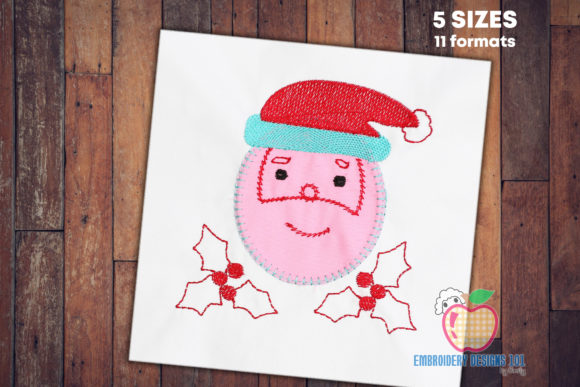
From a digitizing perspective, I noticed the stitch types are thoughtfully chosen. There is a mix of satin stitch for outlines and key details, with fill stitch areas that add depth without creating excessive density. The running stitch accents provide a light, sketch-like quality that keeps the design from feeling too heavy. This balance is important because it means the design will read clearly on both light and medium-toned fabrics, and it avoids the common pitfall of looking muddy after stitching.
Real Project Testing: A Custom Tote Bag and a Holiday Sweatshirt
I decided to stitch Sweet and Twisted onto two different products to see how it behaved in real-world conditions. First, I hooped a medium-weight cotton tote bag. The fabric had a slight texture, which can sometimes cause registration issues with dense designs. Here, the design ran smoothly. The satin stitch edges stayed crisp, and the fill areas covered evenly without pulling the fabric. I used a medium-weight tear-away stabilizer, and the result was a clean, professional-looking tote that felt sturdy enough for daily use.
Next, I stitched the same design onto a pre-shrunk cotton sweatshirt. Sweatshirt fabric has more give, and stretch can distort embroidery if the design isn’t stabilized properly. I paired a cut-away stabilizer with a light fusible interfacing on the back of the fabric. The design held its shape well. The stitch density was comfortable enough that the fabric didn’t pucker, and the details remained legible even after the garment was worn and washed. I would feel confident offering this as a custom holiday gift for a client.
Where Sweet and Twisted Shines in Production
Based on my testing, this design fits naturally into several product categories. Here is where I see it performing best:
- Custom apparel: Sweatshirts, t-shirts, and hoodies benefit from the design’s moderate size and balanced layout. It works equally well on adult and children’s sizing.
- Tote bags and aprons: The design’s clarity holds up on flat, structured surfaces. It adds a handmade touch that boutique shoppers and craft fair customers appreciate.
- Embroidered patches: Because the stitch density is reasonable, the design can be stitched as a patch applique on twill or felt without excessive stiffness.
- Pillow covers and tea towels: Home decor items that get moderate use will retain the design’s detail. The satin stitch edges resist fraying when washed gently.
- Baby and kids’ items: The playful mood of Sweet and Twisted suits onesies, bibs, and small blankets, provided you use a lightweight stabilizer and test on the specific fabric first.
- Holiday gifts and small shop merchandise: For Etsy sellers or craft business owners, this design offers a recognizable seasonal theme that can be applied to a range of products without feeling repetitive.
Where to Use This Design with Care
No design is universal, and Sweet and Twisted has a few considerations worth noting. The most important factor is hoop size. If you are working with a small hoop, check the design dimensions before committing. The design’s detail level requires enough space for the satin stitch and fill areas to breathe. Crowding it into a hoop that is too small may cause thread breaks or distortion.
Fabrics that are very thin or stretchy, such as lightweight jersey or silk, will need extra stabilization. I recommend using a cut-away stabilizer and possibly a lightweight topping to prevent the stitches from sinking into the fabric. On dark fabrics, the design’s thread colors should be chosen with contrast in mind. A light or metallic thread will pop nicely, while a dark thread may lose definition against a black or navy background.
Curved surfaces like caps or fitted hats present a challenge for any design with a wide layout. If you plan to stitch Sweet and Twisted on a cap, test it on a curved hoop or a cap frame first. The design’s shape may need slight rotation or resizing to sit naturally on the curved surface. Similarly, very small items like baby socks or tiny accessories may not have enough fabric area to accommodate the full design without distortion.
Visual Appeal and Product Value
From a buyer’s perspective, the visual appeal of Sweet and Twisted lies in its approachable, handcrafted feel. It does not look like a generic mass-produced graphic. Instead, it carries the kind of charm that customers associate with thoughtful, small-batch production. This is valuable for handmade sellers and boutique owners because it reinforces the idea that each piece is made with care.
When I showed the finished tote bag and sweatshirt to a few regular customers, the reaction was consistently positive. They used words like “cute,” “festive,” and “not too loud.” That last point is worth emphasizing. Many holiday designs lean heavily on bright colors and dense patterns, which can overwhelm a simple garment. Sweet and Twisted strikes a balance that feels decorative without being gaudy. This makes it suitable for a wider range of recipients, from young children to adults who prefer a subtler nod to the season.
For product photography and printable mockups, the design reads clearly at a distance. This matters for Etsy listings and social media marketing, where the item photo needs to communicate the design’s character quickly. The satin stitch outlines provide enough contrast that the design stays visible even in a thumbnail image.
Practical Notes for Embroidery Designers and Small Shop Owners
Before you use Sweet and Twisted in a client project or for your own product line, here are a few steps I recommend based on my experience:
- Test on scrap fabric first. Every machine and fabric combination behaves differently. A quick test run will reveal any tension issues or thread color adjustments needed.
- Check thread color contrast. Stitch the design in a light and a dark thread color on a neutral fabric to see how the details read. This will help you choose the best palette for your specific product.
- Review stitch density. While the design is not overly dense, it is always worth checking the stitch count and density settings in your embroidery software. Adjust if needed for very lightweight or heavy fabrics.
- Confirm hoop size and file format. Make sure the design file you have matches your machine’s format. If you are purchasing from a third party, verify the available formats before downloading.
- Test in black and white mockups. Print the design outline and fill areas on paper to see how the layout fits on your product. This helps avoid centering mistakes.
- Use proper stabilizer for the fabric type. For woven cottons, tear-away works well. For knits and stretchy fabrics, use cut-away. For lightweight items, consider a lightweight fusible stabilizer.
- Check licensing before selling finished items. The design is described as “Artwork Digitized Under License Granted by Creative Fabrica.” If you plan to sell finished products or digital files, confirm the terms of that license. Many digitized designs allow commercial use of finished items, but you should verify before producing in volume.
Final Thoughts on Sweet and Twisted for Real Embroidery Projects
After spending time with Sweet and Twisted, I can say it is a design that delivers on its promise of joy without sacrificing stitching quality. It fits well into the holiday product lineup for small businesses, Etsy sellers, and crafters who want a design that feels personal and professionally executed. The stitch types are appropriate for the level of detail, the layout is adaptable across several product categories, and the overall mood is warm and inviting.
If you are looking for a machine embroidery design that works on custom apparel, handmade gifts, or boutique merchandise, this one is worth adding to your collection. Just remember to test it on your chosen fabric, use the right stabilizer, and check the hoop size before you start. With those basics in place, Sweet and Twisted can become a reliable go-to for your holiday embroidery projects.