Delicately Quilting Design: A Craft Fair Review
As someone who has spent years testing machine embroidery designs for weekend craft fairs and handmade markets, I know that not every digital embroidery file translates into a bestseller. Some designs look stunning on screen but disappoint when stitched on a tote bag or tea towel. Others surprise you with their versatility and customer appeal. I recently spent time reviewing Delicately Quilting Design to see how it performs in real-world production for small shop products, Etsy listings, and booth displays. Here is my honest assessment.
First Impressions of Delicately Quilting Design
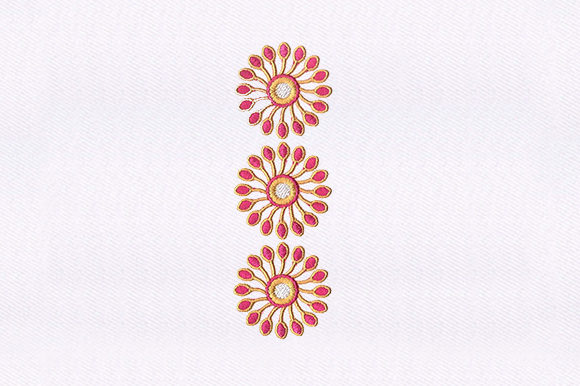
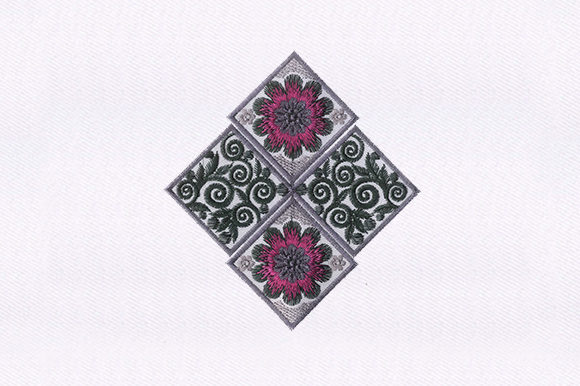
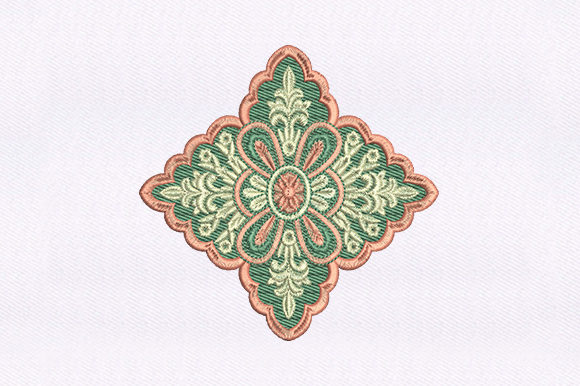
The first thing that struck me about Delicately Quilting Design is its soft, elegant, and refined character. This is not a loud or overly bold embroidery pattern. It feels gentle, feminine, and thoughtfully composed. The title and description point toward bedsheets and home decor, which immediately suggests a Bedroom aesthetic, but I see much broader potential. The design carries a subtle farmhouse charm with a touch of classic sophistication. It does not scream for attention; it invites closer inspection. That quiet confidence is exactly what many handmade buyers respond to at craft fairs. Customers often gravitate toward pieces that feel personal and intentional rather than mass-produced.
From a designer perspective, the mood of Delicately Quilting Design is premium yet approachable. It would look equally at home on a crisp pillow cover or a rustic market bag. The delicate nature of the stitching suggests fine details, fine thread colors, and careful placement. This is not a design you rush through. It rewards patience and precision, which is exactly the kind of quality that handmade product buyers are willing to pay a premium for.
How Delicately Quilting Design Performs on Craft Fair Products
When I evaluate a machine embroidery design for craft fair use, I think about the full range of products that typically fill a booth table. Let me walk through how Delicately Quilting Design performs across several popular handmade categories.
Tote Bags and Market Bags
Tote bags are a staple at any craft fair, and Delicately Quilting Design works beautifully as a centered focal piece on a canvas tote. The design is not overly large, which means it leaves plenty of negative space around it. That negative space helps the embroidery stand out without overwhelming the bag. For best results, use a medium-weight stabilizer and test the stitch density on your fabric first. The design's delicate lines will show up well on natural cotton or linen totes. I recommend stitching it in a contrasting thread color, such as a soft cream on a sage green bag, to create that subtle lift that catches a customer's eye as they walk past your booth.
Apron Embroidery
Aprons are a natural fit for Delicately Quilting Design. The design's elegance elevates a simple apron into something that feels giftable and special. I found that placing it on the bib or the lower pocket area works best. The design does not compete with the apron's structure; it enhances it. For craft fair sellers, an embroidered apron with this design can sell at a higher price point than a plain apron, especially if you pair it with a matching tea towel or pillow cover. The cohesive look encourages bundle sales.
Tea Towel Embroidery
Tea towels are a low-risk, high-reward product for testing new designs. Delicately Quilting Design stitches well on linen or cotton tea towels, though I advise paying close attention to fabric texture. Towels with a loose weave may cause the delicate stitches to lose definition. Use a tear-away stabilizer and a fresh needle to avoid skipped stitches. The design's fine details read beautifully on a smooth tea towel, and customers often pick up these items as affordable, practical gifts.
Embroidered Patches
Patches are a favorite among Etsy sellers and boutique makers because they are quick to produce and easy to ship. Delicately Quilting Design can be converted into an embroidered patch with the right backing and edge finish. However, I recommend testing the design at a smaller scale first. The delicate elements may become crowded if the patch size is too small. For a patch, keep the hoop size generous enough to preserve the design's clarity. A well-made patch with this design could sell well as a standalone item or as an add-on to a tote bag or cap.
Pillow Covers and Home Decor
Given the product description's mention of bedsheets and home decor, Delicately Quilting Design feels right at home on pillow covers. This is where the Bedroom connection becomes most evident. The design's soft, quilting-inspired aesthetic complements throw pillows, shams, and even decorative cushion covers. For a craft fair booth, display one pillow cover with the design stitched in the center and another with it placed off-center for variety. The design's delicate lines add a handmade, boutique feel that customers associate with quality.
Caps and Small Pouches
Caps are a more challenging surface for any machine embroidery design, and Delicately Quilting Design is no exception. The curved surface of a cap can distort fine details, especially if the design has dense stitch areas. I recommend testing the design on a cap before committing to batch production. Small pouches, on the other hand, are a forgiving product. The design fits well on a zippered pouch or a fabric cosmetic bag. Keep the hoop size appropriate for the pouch dimensions, and use a cut-away stabilizer for extra stability.
Practical Selling and Production Points
When you are preparing for a weekend craft fair, every decision about your design assets affects your bottom line. Here are the key selling and production considerations I identified with Delicately Quilting Design.
Ease of Understanding at a Glance
One of the strongest selling points of Delicately Quilting Design is that customers understand it immediately. It is not abstract or confusing. The design reads as refined, decorative, and handmade. At a craft fair, buyers often make split-second decisions about whether something catches their eye. This design's clarity and elegance work in your favor. It does not require explanation, which is a valuable trait in a busy market environment.
Small Accent vs. Large Focal Design
I tested Delicately Quilting Design at different sizes to see how it performs. As a small accent, it retains its charm but loses some of the fine detail that makes it special. At a larger size, the design opens up and the delicate stitching becomes more pronounced. For most products, I recommend using it as a medium-sized focal element rather than a tiny accent. If you plan to use it as a small detail, test the stitch density first to ensure the details do not blur together.
Photographing for Online Listings
For Etsy sellers and online shop owners, how a design photographs is critical. Delicately Quilting Design photographs well because of its balanced composition and clear thread contrast. I recommend stitching it on a light or medium-colored fabric for the best photo results. Dark fabric can make the delicate details harder to see in product photos. When you create your printable mockup or listing images, use natural lighting and a close-up shot to highlight the texture of the stitches. A well-photographed product with this design can attract more clicks and conversions.
Batch Production and Repeatability
One of the questions I ask about any machine embroidery design is whether it is practical for batch production. Delicately Quilting Design scores well here. The design's stitch density is moderate, which means it does not take excessively long to stitch out. That matters when you are producing multiple units for a craft fair. I recommend stitching a test sample on scrap fabric, checking the thread tension, and confirming the hoop size before you start production. Once you have the settings dialed in, you can repeat the design consistently across multiple products.
Careful-Use Notes for Delicately Quilting Design
Every embroidery design has its quirks, and Delicately Quilting Design is no exception. Here are the specific areas where I recommend caution.
- Dense stitch areas: The design has sections with fine, closely spaced stitches. If you are using a thick fabric, these dense areas may cause puckering or thread breaks. Use a high-quality stabilizer and a sharp needle to mitigate this.
- Tiny details: The delicate nature of the design means that small details can lose clarity at reduced sizes. If you plan to downsize the design, test it first on a sample to ensure the details remain readable.
- Small lettering: If the design includes any small lettering or fine text elements, check the readability at your intended hoop size. Small lettering on textured fabric can become illegible.
- Thick fabric: On heavy fabrics like denim or thick canvas, the delicate stitches may not stand out as sharply. Consider using a lighter fabric or increasing the thread contrast to compensate.
- Textured towels: Tea towels with a looped or textured surface can cause the design's fine lines to appear uneven. Test on a scrap towel before production.
- Curved cap surfaces: As mentioned earlier, caps are tricky. The design's detail may distort on a curved surface. Use a cap frame and test thoroughly.
- Dark fabric: Dark backgrounds can swallow delicate stitches. If you are using dark fabric, choose a bright or metallic thread color to make the design pop.
Practical Embroidery Designer Notes
Before you turn Delicately Quilting Design into finished products for your craft fair booth, here is a checklist of steps I always follow with a new digital embroidery file.
- Test on scrap fabric: Always stitch a test sample on the same fabric you plan to use for your products. This allows you to check thread tension, stitch density, and overall appearance.
- Check thread contrast: The design's delicate details need sufficient contrast between the thread and the fabric. Test a few color combinations to find what works best.
- Review spacing: Ensure there is enough space around the design for hooping and placement. Crowded edges can ruin the finished look.
- Confirm hoop size: Verify that the design fits within your available hoop sizes. If you need to resize, test the design at the new size first.
- Inspect stitch density: If the design feels too dense in certain areas, consider adjusting the underlay or using a lighter stabilizer to reduce bulk.
- Use the right stabilizer: For delicate designs on light fabric, a tear-away stabilizer is often sufficient. For heavier fabrics or dense stitch areas, use a cut-away stabilizer for extra support.
- Create at least one real mockup: Stitch the design on a finished product, such as a tote bag or pillow cover, and photograph it for your listings. A real mockup is more convincing than a digital rendering.
- Compare fabric colors: Test the design on a few different fabric colors to see which one makes the design stand out best. This also helps you decide which products to feature in your booth.
- Confirm commercial licensing: Before selling finished products with this design, verify that your license allows commercial use. This protects your business and ensures you are using the design assets legally.
Final Thoughts on Delicately Quilting Design for Your Booth
After testing Delicately Quilting Design across multiple product types, I can confidently say that this machine embroidery design has strong potential for craft fair sellers, handmade product creators, and boutique makers. Its delicate, elegant character appeals to customers looking for refined, giftable items. It performs well on tote bags, tea towels, pillow covers, aprons, and home decor pieces. With careful attention to stitch density, fabric choice, and stabilizer, you can produce finished products that stand out in a crowded market. The design's ability to photograph well and its repeatability for batch production make it a practical addition to your digital embroidery file collection. I recommend adding it to your lineup for your next weekend craft fair, especially if you want to attract customers who appreciate quality, thoughtful handmade goods.