Cartoon House Applique: A Designer's Review
As an embroidery designer who spends more weekends than I can count behind a craft fair booth and managing an Etsy shop, I look at every new machine embroidery design with a very specific set of criteria. Will it sell? Will it sew out cleanly under pressure? Will it make a customer stop mid-stride and reach for their wallet? I recently got my hands on the Cartoon House Applique, and I want to share my honest review from the perspective of a small shop product developer. This isn't just about whether the design is cute—it is about whether it works for your business, your production schedule, and your bottom line.
First Impressions: Whimsy Meets Market Demand
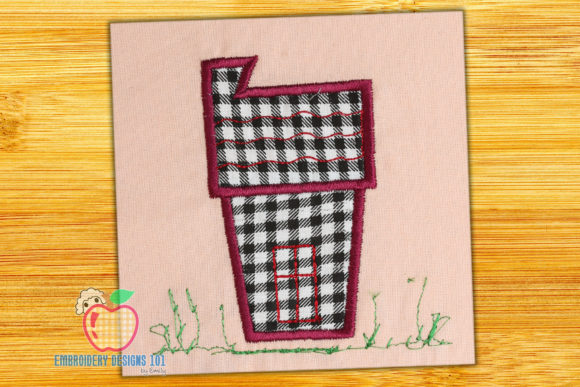
The Cartoon House Applique immediately struck me as a versatile design asset. It feels like a blend of storybook illustration and modern farmhouse aesthetic. It is not overly detailed, which is a strong sign for an embroidery file intended for production. The silhouette is bold, welcoming, and inherently charming. This design taps into the evergreen "home and hearth" market that performs so well for handmade product sellers. I can see it appealing to buyers looking for cozy, rustic, or cottagecore-inspired items. The first impression is strong: it is a design that promises warmth and nostalgia, two qualities that translate directly into sales at a weekend market.
From Hoop to Handmade: Where Does This Design Shine?
Let us walk through the real case scenario. I am preparing a table display for a busy craft fair. I have a stack of blank canvas totes, a pile of linen tea towels, some crisp aprons, and a few pillow covers. The Cartoon House Applique becomes the hero of my booth.
- Tote Bag Design: Placed dead center on a 12x14 canvas tote, this design becomes an instant conversation starter. It is large enough to make a statement, but simple enough to sew out quickly. I can see this being my top seller.
- Apron Embroidery: A smaller version on the chest pocket or waist bib of an apron adds a charming, professional touch. This is a premium product that commands a higher price point.
- Tea Towel Embroidery: This is a no-brainer for the Cartoon House Applique. A small house on a rustic linen towel screams "home sweet home." It is a low-cost, high-margin item perfect for impulse buys.
- Embroidered Patch: I would digitize a patch version with a tight merrow border. Patches are easy to make in batches and are a fantastic add-on sale at any craft fair.
- Pillow Covers and Pouches: The design looks fantastic on a 16x16 throw pillow. It also works beautifully on small fabric pouches, makeup bags, and pencil cases, offering a range of price points for your customers.
The versatility of this digital embroidery file means I can create a cohesive "line" of products. This visual consistency strengthens my brand identity and makes my booth look professional and curated.
Production Reality: Stitch Density, Stabilizers, and Batch Work
Batch production is where the real money is made in the handmade business. The Cartoon House Applique, with its separated color changes, is clearly designed with efficiency in mind. I can hoop several pieces of fabric in one session, which dramatically speeds up my workflow. However, I always check the stitch density before committing to a large run. Applique designs are generally lighter than dense fill patterns, which is excellent for maintaining a soft hand on items like tea towels and aprons.
Fabric texture is a critical factor here. A smooth finish on a cotton apron will look vastly different from the same design on a thirsty terry towel. I always test the design on a scrap of the exact material I plan to use. This confirms the thread colors pop against the background and that my stabilizer choice is correct. For most home decor items, I use a cutaway stabilizer. It prevents warping and keeps the structure of the Cartoon House Applique intact, even after multiple washes. If you are using a very thick fabric like canvas or denim, you may need to use a heavier ballpoint needle to avoid skipped stitches. For textured towels, a water-soluble topper can prevent the satin stitches from sinking into the loops.
The Etsy Advantage: Photos, Mockups, and Listing Optimization
For an Etsy seller, visual presentation is half the battle. The Cartoon House Applique photographs beautifully. Its bold lines and clear shapes mean it stands out in a thumbnail, which is critical for driving clicks. I recommend creating a printable mockup of the design on a lifestyle background. Show it on a rustic kitchen shelf, draped over a chair, or in a cozy living room. This helps the customer visualize the finished product in their own home.
When writing your listings, use keywords naturally. Think about what your customer is searching for: "cartoon house embroidery," "farmhouse tea towel," "handmade tote bag," "machine embroidery design for home decor." The design assets are flexible, so you can offer the same product in multiple colorways. This gives you more listings without creating entirely new products from scratch. A well-made printable mockup can also be used in your craft fair booth to show customers how the design looks on a pillow or wall hanging without needing to display a full-sized version.
The Embroidery Designer's Checklist for the Cartoon House Applique
Before you hit "sew" on a batch of 20 aprons, here is my professional checklist to ensure your success with this machine embroidery design:
- Test Sew on Exact Fabric: Always sew the Cartoon House Applique on the exact fabric you intend to use for your final product. This is non-negotiable.
- Check Hoop Size: Ensure the design fits comfortably in your hoop without crowding the edges. Confirm the hoop size required for each placement.
- Review Stitch Density: Look for areas that might be overly dense. Dense satin stitches can cause puckering on lightweight fabrics. If it looks too heavy, consider reducing the density in your software.
- Evaluate Thread Colors: The file provides steps based on color changes. I often swap out the suggested thread colors to match my brand’s palette or to better suit the fabric color.
- Select the Right Stabilizer: Use a high-quality cutaway stabilizer for garments and home decor. Use a tear-away for patches. A mesh cutaway works well for most applications.
- Confirm Commercial Embroidery Licensing: This is critical. Verify the commercial use rights for the Cartoon House Applique. Some designers require a separate license for selling the finished product.
- Inspect for Tiny Details: Applique designs are generally safe, but always check that small elements like windows or doors will stitch out cleanly at your chosen size.
- Compare Fabric Colors: Ensure your fabric choice provides enough contrast for the embroidery file to pop. A dark house on a dark towel will get lost.
Booth Display and Customer Engagement
When you display the finished product at a craft fair, grouping is key. Hang a tote bag, drape an apron, and lay a tea towel flat. The visual repetition of the Cartoon House Applique across different items creates a powerful brand statement. It tells the customer, "This is a cohesive collection." I always use a printable mockup to show how the design looks on a pillow or wall hanging, especially if floor space is limited. The goal is to make the customer feel the warmth and charm of the design immediately. This design has a very strong "cute" and "cozy" factor. Lean into that. Frame it. Put it on a kid's apron. The design assets are strong, so use them to tell a story.
Final Verdict: Is It Worth the Hoop Time?
The Cartoon House Applique is a strong, reliable workhorse for any embroidery business. It taps into the evergreen "home and hearth" market, offers versatility across multiple product categories, and is designed with the production embroiderer in mind. Whether you are a seasoned Etsy seller or setting up your first craft fair product booth, this machine embroidery design offers a clear path to a beautiful, sellable finished product. It earns a solid spot in my design assets folder, and I am confident it will perform well for you too, provided you take the time to test, plan, and produce it with care. It is a design that respects the craft of embroidery and the reality of running a small shop product business.