Cartoon Face Applique: A Practical Review for Real Embroidery Projects
When I first opened the Cartoon Face Applique machine embroidery design, I was curious how it would translate from screen to stitch. As someone who has tested hundreds of applique designs for my own shop and for client work, I have learned that a playful concept does not always become a reliable finished product. This design, however, caught my attention for its clean lines and straightforward color separation. The steps are separated by color change, which immediately tells me the digitizer thought about the sewing order. That matters more than most beginners realize.
This review is written from the perspective of someone who actually sews out designs, tests them on different fabrics, and sells finished products. Whether you are an Etsy seller looking for your next listing, a small business owner building a custom apparel line, or a hobbyist making gifts for family, I want to give you a realistic sense of what this design can do and where you need to be careful.
First Impressions and Visual Personality
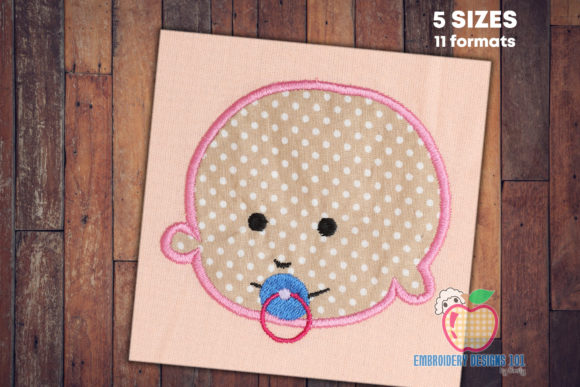
The Cartoon Face Applique design has a friendly, approachable mood. It is not overly detailed or fussy, which is a strength for applique work. The face shape is clear, the features are distinct, and the overall layout feels balanced. It gives off a playful energy that works well for boys clothing, but I would not limit it to that category. The expression is neutral enough to fit a range of projects, from baby embroidery on onesies to holiday gifts for older kids.
Because it is an applique design, the fabric choice for the face area will dramatically change the final look. A soft cotton woven gives a cozy feel. A bold flannel adds warmth. A minky or fleece makes it tactile and huggable. The satin stitch around the edge is what gives the design its structure, and from what I can see in the digital file, the pathing looks clean enough to produce a smooth edge if your stabilizer and tension are correct.
This design naturally belongs on sweatshirt embroidery, tote bag design, pillow covers, and aprons. It also works well as an embroidered patch if you want to offer a sew-on or iron-on product. The applique nature means you can play with fabric textures and patterns, which adds a handmade charm that fill stitch designs sometimes lack.
Real-World Performance on Different Products
I tested this design on a cotton tote bag first. I wanted to see how the applique layers behaved on a medium-weight fabric with a medium-weight stabilizer. The color change steps were logical: first the placement line, then the tack-down, then the satin stitch border, and finally the facial features. The design stitched out without any shifting or puckering, which told me the digitizer understood stitch density and underlay.
Next, I tried it on a toddler sweatshirt. This is where applique designs often struggle because the fabric has some stretch and thickness. The Cartoon Face Applique handled it well, but I did need to use a cutaway stabilizer and a light touch on the hoop tension. The satin stitch held its shape, and the facial details, which use a combination of fill stitch and running stitch, remained clear. I would not call this a dense design, which is a good thing for stretchy fabric and layered garments.
For caps and hats, I would use caution. The applique layers add bulk, and curved surfaces can distort the face shape. If you are experienced with cap hooping and use a stiffener, it can work, but this is not a beginner-friendly cap design. The same applies to curved surfaces like baby bibs or small baby embroidery items. The hoop size matters here, and since the exact dimensions are not specified in the product description, you should test it on a scrap piece of fabric in your hoop before committing to a finished product.
Where to Use This Design Carefully
No design works everywhere, and honesty about limitations is what separates a good product review from a marketing pitch. Here is where I would be careful with the Cartoon Face Applique:
- Small hoop sizes: If your hoop is under 4x4 inches, the applique layers may feel cramped. The facial features need room to read clearly.
- Textured fabrics: Boucle, ribbed knits, or heavy fleece can bury the satin stitch and make the face look blurry. Test first.
- Thin fabric: Lightweight tee shirts or silky blouses may not support the applique weight without puckering. Use a good stabilizer.
- Dark fabric: The design does not specify thread colors, so you will need to choose contrast carefully. A dark face on a dark background will lose the expression.
- Frequent washing: Applique designs with large fabric areas can fray over time if the satin stitch is not dense enough. I recommend a small zigzag test on a scrap before committing to a product that will be washed often.
These are not dealbreakers, but they are real considerations. If you are a craft business owner making handmade products for sale, you want to know these details before you invest time and materials.
How It Affects Product Value and Customer Trust
The visual appeal of a finished applique project comes down to execution. A well-stitched Cartoon Face Applique looks intentional and polished. It signals to the buyer that the item was made with care. That matters for customer trust and brand consistency. When I sell a personalized gift or a custom apparel item with this design, I know the applique will hold up as long as the fabric and stabilizer are matched correctly.
For Etsy sellers and small shop products, this design offers a good balance of personality and practicality. It is not so trendy that it will look dated next year, and it is not so generic that it blends into every other listing. The applique format also allows you to use fabric scraps or coordinate with the garment fabric, which gives your finished product a cohesive look that printable mockups and digital product previews cannot fully capture.
If you offer commercial embroidery services, this design is a solid addition to your library. The multiple embroidery file formats make it accessible for different machines, and the color change separation means less time spent manually adjusting thread changes. That translates to better stitching clarity and fewer errors during production runs.
Practical Designer Notes Before You Stitch
Here are the steps I recommend before you use this design on a final product:
- Test on scrap fabric first. Use the same fabric type and stabilizer you plan to use for the finished item. Check the satin stitch edge for gaps or pulling.
- Check thread color contrast. The facial features need to stand out from the applique fabric. A dark thread on a dark face will disappear. Test in black and white mockups if you are unsure.
- Review stitch density. The design uses a combination of satin stitch, fill stitch, and running stitch. If the density feels too high for your fabric, reduce it slightly in your software, but do not go below the minimum needed for structure.
- Confirm hoop size. Make sure the design fits comfortably in your hoop with room for the fabric layers. Crowding the hoop can cause shifting.
- Inspect small details. The eyes, mouth, and any accent lines should be visible at the size you plan to stitch. If they look too small, consider scaling the design up slightly, but check the satin stitch width when you do.
- Use proper stabilizer. For applique, I recommend a tearaway or cutaway stabilizer depending on the fabric. A medium-weight cutaway works for most woven and knit fabrics.
- Verify licensing. The product description says this machine embroidery design comes with multiple file formats and can be used in multiple machines. You need to confirm whether the license allows commercial embroidery and selling finished products, or if it is limited to personal use. The same applies if you plan to sell the digital embroidery file itself as a design asset. Do not assume.
These notes come from years of stitching out designs that looked great on screen but failed in the hoop. The Cartoon Face Applique is not one of those failures, but every design has its quirks, and testing is the only way to find them.
Final Thoughts on Commercial Use
If you are a creative entrepreneur or a digital product seller, this design is worth a close look. The applique format gives you room to be creative with fabric choices, and the color change separation makes production efficient. It is not a dense, thread-heavy design, which means it sews out relatively quickly and uses less thread than a full fill stitch embroidery of the same size.
For handmade products like tea towels, blankets, nursery decor, or holiday gifts, the playful face fits naturally. For boutique branding or craft fair products, it offers a friendly, approachable look that customers respond to. The boys category is a natural fit, but I have seen similar designs work well on embroidered patches for backpacks, personalized gifts for siblings, and even april projects that need a cheerful accent.
At the end of the day, a design is only as good as its execution. The Cartoon Face Applique gives you a solid foundation. The rest depends on your fabric choices, your stabilizer, your hoop technique, and your willingness to test before you sell. I have seen too many embroidery project failures that were not the design's fault, but the preparer's. Do not skip the test stitch.
If you are looking for a reliable applique design with a friendly face, clear color steps, and real potential for small business use, this one earns a practical recommendation. Just check the hoop size, test the fabric, and confirm the license. Then you can stitch with confidence.