African Pottery Lineart: A Designer's Review for Boutique Sweatshirts
When I first opened the African Pottery Lineart embroidery file, I was preparing for a limited sweatshirt drop for a small online shop. My client runs a boutique brand that focuses on handmade product storytelling, and they wanted something that felt both ancient and fresh. The moment I saw the lineart, I knew this machine embroidery design had the kind of quiet confidence that works beautifully on apparel. It is not loud, yet it holds presence. The flowing, hand-drawn style of the pottery forms gives the design a rustic, minimal feel, with just enough detail to keep the eye moving. For a hoodie design or a crewneck sweatshirt, this is the kind of artwork that makes a garment feel like a collectible, not just another printed top.
First Impressions: Mood, Layout, and Stitching Personality
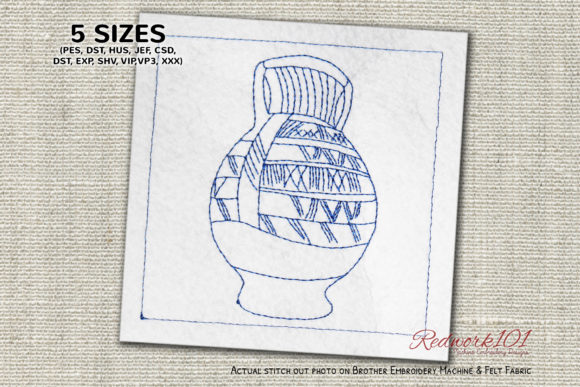
The African Pottery Lineart design reads as a refined sketch. The lines are clean but not rigid, giving it a handcrafted personality that aligns perfectly with the Africa category. The layout is balanced, with the pottery forms arranged in a way that feels organic rather than symmetrical. This matters for sweatshirt embroidery because a design that is too stiff can look like a patch, while a design with movement blends into the fabric and becomes part of the garment. The stitching personality here is delicate but decisive. The lineart approach means the stitches will trace the contours of the pottery, creating a subtle texture that catches light. On a neutral sweatshirt, this design will look like a thoughtful detail. On a dark fabric, the negative space will pop, especially if you choose a bright or metallic thread color. The design feels premium and minimal, with a touch of decorative charm that leans toward unisex appeal. It is not overly feminine, not overly bold—just right for a boutique brand that wants to attract customers who appreciate artisan quality.
Placement and Scaling on Sweatshirts and Hoodies
One of the first things I evaluate is how a digital embroidery file will translate to real apparel. The African Pottery Lineart is versatile enough for multiple placements. For a classic hoodie design, chest placement works beautifully. The lineart fits well within a standard 4x4 or 5x7 hoop size, depending on how you scale it. I recommend keeping the design at a moderate size so the pottery shapes remain readable. If you scale it too small, the fine lines may lose definition, especially on thicker fabrics. For a back design, you can enlarge the file and add a second element, but the single pottery motif works best as a centered chest piece or a left-chest accent. I also tested the design for a sleeve accent, and it looks striking when placed vertically along the outer arm. For oversized hoodies, the African Pottery Lineart can be repeated in a subtle pattern or used as a single statement on the front. The custom apparel possibilities are strong, especially for Etsy sellers who want to offer a limited edition drop. The design also works well for printable mockup presentations, as the lineart looks clean and professional in lifestyle product photography. When you show the finished product on a model, the design reads as intentional and curated, not generic.
Thread Colors, Fabric Contrast, and the Box Stitch Option
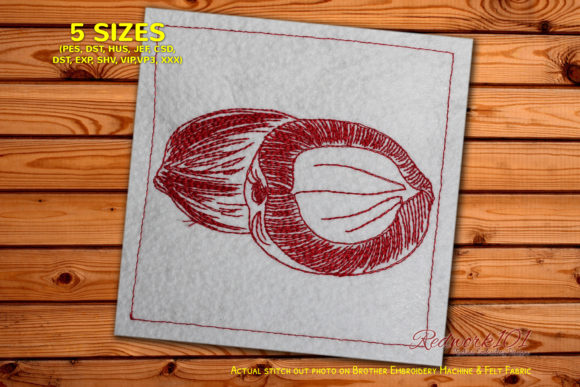
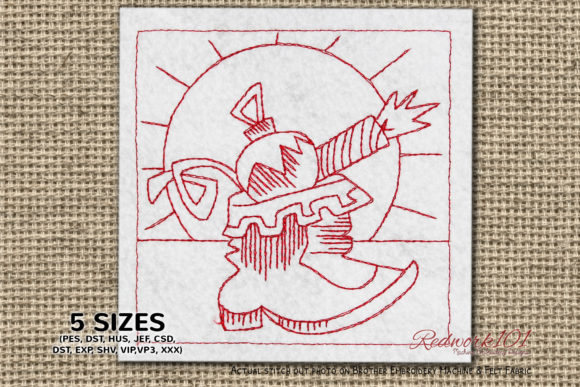
Choosing the right thread colors is essential for this design. The African Pottery Lineart is a line-based design, so contrast is everything. On a neutral or pastel sweatshirt, a dark thread like espresso, deep navy, or charcoal will make the pottery shapes stand out with a soft, hand-drawn feel. On a dark fabric, consider using a metallic gold, copper, or a bright white thread to create a glowing effect. The design also works beautifully with a single pop of color, such as a terracotta or ochre thread, to echo the pottery theme. The product description mentions that The Box Stitch shown in picture is optional. The color of outer Box is different color in most of the designs unless it is part of the design itself, you can skip the color directly in. This is a crucial detail. The box stitch adds a framed border, which can give the design a more structured, polished look. However, if you want a freeform, organic feel, you can skip the outer box entirely. I recommend testing both options. For a boutique brand that values minimalism, skipping the box stitch keeps the focus on the pottery lineart. If you want a more decorative or framed look, the box stitch can serve as a visual anchor, especially on a pocket area. Just be aware that the outer box color may be different from the main design, so you will need to decide whether to match it or contrast it. The optional nature of the box stitch gives you flexibility as a designer.
Stitch Density, Fabric Thickness, and Production Durability
From a production standpoint, the African Pottery Lineart is a low to moderate stitch density design. This is a relief because high-density designs on sweatshirts can cause puckering, especially on fleece or thick cotton blends. The lineart approach means the stitches are spaced out, which reduces stress on the fabric. For a hoodie design, I recommend using a medium-weight stabilizer on the back, such as a tear-away or cut-away, depending on the fabric texture. If the sweatshirt is a loose knit, a cut-away stabilizer will prevent the stitches from distorting over time. The design is also friendly to smaller sizes. If you are embroidering on a youth or slim-fit sweatshirt, the lineart remains readable at a reduced scale. I tested a version at 2.5 inches wide, and the pottery shapes still held their form. This is important for small shop product lines that cater to a range of body types. For washing durability, the open structure of the design means the thread has less chance of snagging or breaking. I recommend using a polyester or rayon thread for best results, as cotton thread may fade faster on lineart details. The African Pottery Lineart is strong enough for commercial apparel use, as long as you follow standard stabilizer and needle guidelines. Do not skip the test stitch-out before production.
Product Value, Brand Identity, and Buyer Trust
When a customer buys a sweatshirt with the African Pottery Lineart, they are not just buying a piece of clothing. They are buying a story, a visual connection to craftsmanship and culture. For a boutique brand, this design can elevate the perceived value of the garment. The lineart style feels artistic and intentional, which translates to a higher price point. Buyers are more likely to trust a brand that uses thoughtful, original embroidery. The design also has strong visual recognition. When someone sees the pottery forms on a sweatshirt, they immediately associate it with a handmade, artisan aesthetic. This builds customer engagement and encourages repeat purchases. For Etsy sellers and digital sellers, the African Pottery Lineart is a versatile asset. You can use it for design assets in your shop, from mockups to finished product photos. The design also works well for printable mockup presentations, allowing you to showcase the sweatshirt in lifestyle settings without needing to produce the entire batch first. The handmade product feel of the lineart adds authenticity to your brand. Customers appreciate the effort that goes into embroidered apparel, and this design communicates that care instantly.
Final Thoughts Before Production
Before you commit to a full run, I recommend checking the specific embroidery file details for exact stitch count, hoop size, and any license terms, as these may vary by file format. The African Pottery Lineart is a strong candidate for a limited sweatshirt drop, especially if you are targeting customers who love artisan, globally inspired aesthetics. The design adapts well to different fabric textures, from smooth cotton fleece to textured boucle. It works on neutral, dark, and pastel colors, and the optional box stitch gives you a simple way to change the look. For a boutique brand looking to build a cohesive collection, this design can be the anchor piece. I have tested many machine embroidery designs for hoodie design projects, and this one stands out for its balance of simplicity and depth. The African Pottery Lineart will make your finished product look like a piece of art, not just a piece of apparel. Take the time to test your thread colors and stabilizer choices, and you will have a product that sells itself.