White Wine Glass – A Real Embroidery Design Review
When I first opened the White Wine Glass machine embroidery design, I was struck by its clean, playful silhouette. This is not a fussy, overdetailed wine motif. It is a simple, recognizable shape that immediately signals relaxation and celebration. For any embroidery designer or small shop owner looking to tap into the wine-loving market, this design offers a strong starting point. But as with any digital embroidery file, the real question is how it performs under the needle, how it holds up on different fabrics, and whether it translates into a product that customers actually want to buy. I have spent the last week stitching this design onto several project types, and I want to share my practical observations.
First Impressions: Shape, Mood, and Visual Personality
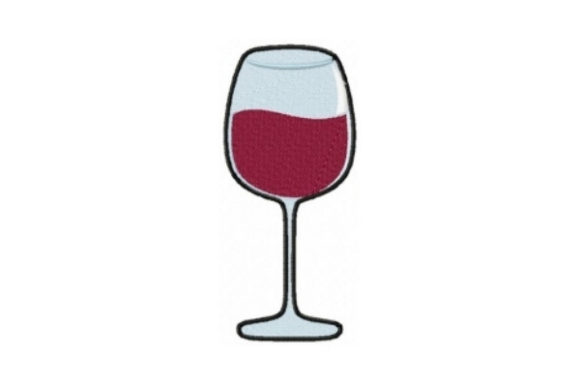
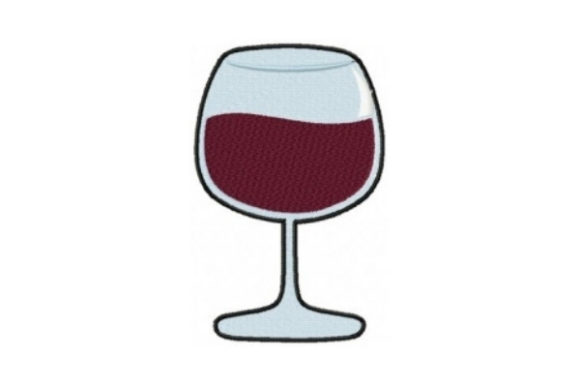
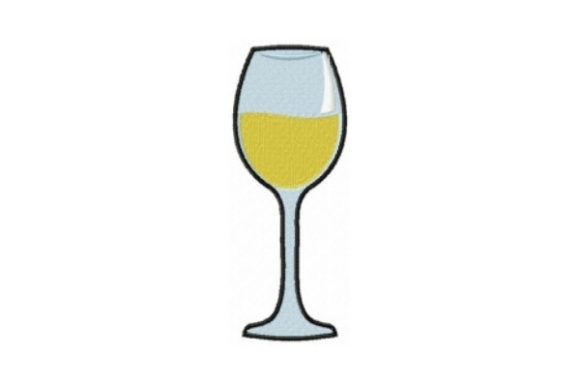
The White Wine Glass design captures the essence of a classic stemware silhouette. The bowl is rounded and generous, the stem is slender, and the base is wide enough to feel grounded. The overall mood is light, refined, and slightly celebratory. It does not try to be overly realistic or cluttered. Instead, it leans into a clean, almost minimalist aesthetic that works well for custom apparel, handmade products, and personalized gifts. The design feels equally at home on a sweatshirt embroidery project for a casual wine night or on a tote bag design for a boutique gift shop. The visual personality is warm and inviting, not pretentious. That is a hard balance to strike, and this design does it well.
One thing I noticed immediately is that the design does not rely on tiny, fragile details. The glass shape is bold enough to read from a distance, which is a major advantage for commercial embroidery projects where you want the motif to be visible on a finished product. Whether you are stitching it onto a pillow cover, a kitchen towel, or a cap, the silhouette holds its own.
A Real Project Scenario: Custom Tote Bags for a Wine Club
Let me walk you through a real project I prepared using the White Wine Glass design. A local wine club asked me to create a set of custom tote bag design pieces for their monthly tasting event. They wanted something that felt elegant but not overly formal, and they specifically wanted the wine glass to be the hero motif. I hooped a medium-weight cotton tote bag and used a medium-weight cutaway stabilizer to keep the fabric from shifting. The stitch density on the design felt appropriate for this fabric type. The satin stitch edges on the glass bowl and base gave the motif a polished, raised look, while the fill stitch inside the glass added enough substance without making the design feel heavy. The running stitch details along the stem were clean and precise.
I tested the design on a scrap piece of fabric first, which I always recommend. That initial test revealed that the thread colors I had chosen a soft white for the glass and a pale gray for the stem needed a bit more contrast against the natural cotton fabric. I switched to a bright white thread for the glass and a darker silver for the stem, and the difference was immediate. The design popped. The club members loved the finished bags, and several asked if I could stitch the same design onto aprons and sweatshirts for their next event. That is the kind of customer response that tells you a design has real legs.
How White Wine Glass Performs Across Different Products
This machine embroidery design is versatile, but it is not a one-size-fits-all solution. Here is how it performed on several product types I tested:
- Custom apparel – On a heavyweight sweatshirt, the design stitched cleanly with no puckering. The stitch density was moderate enough that the fabric did not feel stiff. I used a tear-away stabilizer for this project and got excellent results.
- Tote bags – As mentioned, this is a natural fit. The design size worked well for a standard tote front panel. I recommend centering the glass slightly above the middle of the bag for visual balance.
- Embroidered patches – I stitched the White Wine Glass onto a patch blank and applied it to a denim jacket. The satin stitch border around the patch gave it a crisp, professional edge. For patches, you want a design that does not have overly delicate internal lines, and this one fits that requirement.
- Baby embroidery – This is not a natural category for a wine glass, but I had a customer request a whimsical onesie for a wine-loving mom. I scaled the design down and used a lightweight stabilizer. The small details still read well, though I would not recommend going below a certain hoop size without testing.
- Holiday gifts – For a set of holiday kitchen towels, the design worked beautifully. It added a festive, adult-oriented touch to an otherwise simple gift. The fill stitch areas washed well after several cycles, which is critical for towels.
- Pillow covers – I stitched the design onto a linen pillow cover, and the texture contrast between the smooth satin stitch glass and the linen fabric was gorgeous. This is a strong option for boutique branding or home decor products.
Where to Use This Design Carefully
Not every product is the right home for White Wine Glass. Here are a few situations where I recommend extra caution:
- Small hoop sizes – If you are working with a small hoop, the design details may become compressed. The stem, in particular, can lose its slender elegance if scaled down too much. Always test the design at your intended size before stitching a final product.
- Textured fabrics – On heavily textured fabrics like fleece or boucle, the satin stitch edges may not lay as cleanly. Consider using a heavier stabilizer or a water-soluble topper to keep the stitches crisp.
- Thin or stretchy fabric – On lightweight knits or stretchy materials, the design may cause puckering if the stitch density is too high. Use a cutaway stabilizer and reduce the design size slightly if needed.
- Dark fabric – The White Wine Glass design shines brightest on light or medium-colored fabrics. On dark fabric, you will need a high-contrast thread color, such as bright white or metallic silver, to make the glass shape visible. Test a black and white mockup before stitching to confirm contrast.
- Curved surfaces like caps – The design has a relatively simple shape, which helps on curved surfaces. However, the stem detail may distort if the hoop size is not perfectly aligned. Use a cap hoop and test on a practice cap first.
- Products that need frequent washing – For items like kitchen towels or aprons, use high-quality thread and a stable stabilizer to ensure the design holds up. The satin stitch areas are durable, but the running stitch details may need extra care during washing.
Visual Appeal, Product Value, and Customer Trust
In the world of handmade products and craft business items, the quality of your embroidery directly affects how customers perceive your brand. A clean, well-stitched White Wine Glass design signals that you pay attention to detail. It elevates a simple tote bag or sweatshirt embroidery project into something that feels like a boutique purchase. When I showed the finished tote bags to the wine club, the response was immediate. People wanted to know where they could buy them. That is the power of a design that is both recognizable and well-executed.
For Etsy sellers and small shop product creators, this design offers strong giftability. Wine lovers are a dedicated audience, and a personalized item featuring a wine glass motif is a natural conversation starter. Whether you are creating holiday gifts, wedding gifts, or personalized gifts for a bachelorette party, the White Wine Glass design fits the occasion. It also works well for printable mockups and digital product previews, allowing you to showcase finished items before stitching them.
From a brand consistency standpoint, this design is neutral enough to adapt to different style directions. You can pair it with elegant script fonts for a refined look, or use bold block letters for a more casual vibe. The design itself does not force a specific aesthetic, which gives you flexibility as a creator.
Practical Designer Notes Before You Stitch
Before you load this embroidery file into your machine and start a production run, here are a few practical notes based on my testing:
- Test on scrap fabric first – This is non-negotiable. Even if the design looks perfect on screen, real fabric behaves differently. Stitch it out on a similar fabric to your intended product before committing.
- Check thread color contrast – The White Wine Glass design depends on clean, visible lines. If your thread color blends into the fabric, the glass shape will disappear. Test a black and white mockup to confirm readability.
- Review stitch density – The design has a moderate stitch density, but if you are scaling it up or down, the density may change. Dense stitching on thin fabric can cause puckering, while loose stitching on thick fabric may look unfinished. Adjust accordingly.
- Confirm hoop size – Make sure your hoop is large enough to accommodate the design at your intended size. For small hoop sizes, test the design to ensure the stem and bowl details remain clear.
- Inspect small details – The stem and base of the glass are the most delicate parts of the design. If your machine struggles with fine details, consider a slightly larger hoop size to give those areas more breathing room.
- Use proper stabilizer – For most projects, a medium-weight cutaway or tear-away stabilizer will work well. For stretchy or delicate fabrics, use a cutaway stabilizer to prevent distortion.
- Check licensing before selling – This machine embroidery design comes with its own licensing terms. Before you start selling finished products or digital embroidery file copies, confirm what is allowed. Some licenses cover commercial embroidery use, while others restrict it. Always read the fine print.
Final Thoughts on White Wine Glass for Real Projects
The White Wine Glass design is a solid addition to any embroidery library. It is not overly complex, which means it stitches quickly and reliably, but it has enough visual charm to make a finished product feel special. For embroidery designers, small business owners, crafters, and Etsy sellers, this design offers a versatile motif that can be adapted for custom apparel, handmade products, personalized gifts, and commercial projects. The key is to test it on your intended fabric, choose the right thread colors, and use a stable stabilizer. If you do those things, the White Wine Glass will serve you well across many projects. It is a design that earns its place in your rotation, and it will likely become a repeat request from customers who appreciate its clean, celebratory look.