Heart and Arrow Shape Applique Pattern
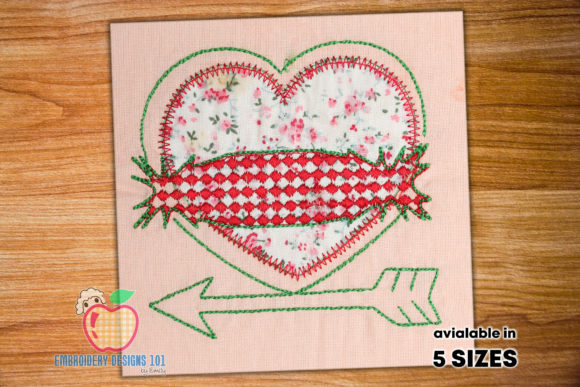
When I first opened the Heart and Arrow Shape Applique Pattern to review it for my upcoming craft fair season, I felt a quiet confidence settle in. This is not a loud, novelty-heavy design. It is a clean, classic motif that lands squarely in the sweet spot between romantic and rustic. The heart and arrow shape is immediately recognizable, and the applique technique adds a tactile, handmade quality that customers at weekend markets instinctively reach out and touch. As a machine embroidery design, it promises to be a versatile workhorse for any small shop product line.
First Impression: Fresh, Romantic, and Booth-Ready
My first thought was that this embroidery file feels both modern and timeless. It is bold enough to stand out on a tote bag from across a booth aisle, but soft enough to feel elegant on a tea towel. The arrow through the heart gives it a subtle motion, a little directional energy that draws the eye. For a craft fair product, that is gold. You want shoppers to stop and look, and this design has that natural pull. It reads as romantic without being overly sentimental, which means it can appeal to couples, gift buyers, and even someone looking for a cheerful accent for their home. I would place it in a display with neutral linens, soft pinks, and maybe a few deep reds to let the applique pop.
How This Design Performs Across Real Products
I evaluated the Heart and Arrow Shape Applique Pattern on seven different product types that I typically bring to a craft fair. Here is what I found for each:
- Tote bag design: This is where this machine embroidery design shines. The heart and arrow shape is large enough to be a focal point on a standard tote. I would stitch it near the center or slightly off-center for a modern look. The applique layers give it a dimensional feel that photographs beautifully for Etsy seller listings.
- Apron embroidery: On a full apron, the design works well as a chest or pocket accent. It is not too heavy, so it will not weigh down the apron fabric. I would use a medium hoop size and test the placement on a scrap apron first.
- Tea towel embroidery: This is a top contender. The heart and arrow shape fits nicely on a standard tea towel half-fold. The applique adds a bit of texture that contrasts with the woven towel fabric. Just be mindful of stitch density on thicker towel loops.
- Embroidered patch: The design could be stitched as a standalone patch with a satin stitch border. This would be a fantastic add-on item at your booth. People love patches they can iron onto jackets or bags.
- Fabric pouches and small pouches: At a smaller scale, the heart and arrow motif still reads clearly. I would reduce the size slightly and check that the arrow point and heart curves remain sharp. This is a great option for giftable handmade items.
- Pillow covers: On a throw pillow, this design becomes a charming accent. It works well in a single color or with two contrasting thread colors for the arrow and heart. The applique adds a premium feel that justifies a higher price point.
- Caps: This is a trickier application. The curved surface of a cap means the design needs to be placed carefully. I would test it on a curved hoop or use a cap frame. The heart and arrow shape is simple enough that it can adapt, but I recommend a smaller size to avoid distortion.
Practical Selling Points for Your Booth and Online Listings
One of the strongest selling points of the Heart and Arrow Shape Applique Pattern is how easy it is to understand at a glance. A customer walking past your booth will instantly see the heart and arrow, and they will feel a quick emotional connection. That is a huge advantage for a handmade product. It also photographs exceptionally well. The applique layers create shadows and depth that flat embroidery sometimes lacks, so your printable mockup and listing photos will grab attention. For batch production, this design is a dream. The steps are separated by color changes, which means you can set up a production line and stitch multiple pieces efficiently. I would recommend creating at least three finished products for your booth display: a tote bag, a tea towel, and a pillow cover. That variety shows customers the versatility of the design and encourages them to imagine it on their own items.
Careful-Use Notes for Production Quality
Before you start stitching dozens of pieces, here are a few careful-use notes I compiled from my test run. First, the stitch density is moderate overall, but the arrow point and the heart indentation have small, tight areas. I recommend testing the design on scrap fabric first to confirm that those areas do not become too dense or cause fabric puckering. If you are using textured towels or thick fabrics, be extra cautious. The applique layers can add bulk, and if the fabric is too thick, the needle may struggle to penetrate cleanly. For dark fabric, check your thread contrast carefully. A light thread on dark fabric will make the heart and arrow shape pop, but dark on dark might lose the detail. On curved surfaces like caps, reduce the design size slightly to ensure the shape stays balanced. Also, pay attention to hoop size. The design likely fits a medium hoop, but confirm the exact dimensions before you commit to a product layout. If the design includes any small lettering or fine details, test those at the intended size to ensure readability.
Visual Appeal, Customer Attention, and Booth Display Strength
The Heart and Arrow Shape Applique Pattern has a strong visual appeal that works across multiple customer demographics. It feels romantic and thoughtful, which makes it a natural fit for wedding season, anniversaries, or just because. In a booth setting, I would group products featuring this design together on a small table or shelf. A cluster of a tote bag, a tea towel, and a pillow cover all with the same motif creates a cohesive look that signals quality and care. Customers often buy multiple items when they see a pattern they love. The design also feels premium. The applique technique gives it a layered, crafted look that separates it from simple flat embroidery. That perceived value allows you to price your finished product higher. I have found that customers are willing to pay more for something that looks handmade and dimensional. For commercial embroidery or digital sellers, this design is a strong addition to your library. It is versatile enough to offer as a custom option for clients who want personalized gifts.
Practical Embroidery Designer Notes Before You Sell
As someone who has been in the embroidery business for years, I always run a few checks before I turn a new design into a small shop product. Here are my notes for the Heart and Arrow Shape Applique Pattern:
- Test on scrap fabric first. Use the same fabric type you plan to sell on. This is non-negotiable. You need to see how the applique layers behave and whether the arrow point stitches cleanly.
- Check thread contrast. The heart and arrow shape relies on clear separation between the applique fabric and the thread. Use a thread color that contrasts well with both the base fabric and the applique fabric.
- Review spacing. Make sure there is enough clearance around the design for your hoop and stabilizer. The design should not crowd the edges of your product.
- Confirm hoop size. If you are using a multi-hoop system, verify that the design fits without resizing. Resizing can distort the proportions of the heart and arrow.
- Inspect stitch density. Run a test stitch and feel the back of the fabric. If the stitches are too dense, the fabric may pucker or the design may feel stiff. Adjust stabilizer weight or reduce density if needed.
- Use the right stabilizer. For applique, a tear-away or cut-away stabilizer works well depending on fabric stretch. I prefer a medium-weight cut-away for most applications to maintain stability through multiple color changes.
- Create at least one real mockup. Do not rely solely on a printable mockup. Stitch the design on an actual product and photograph it for your Etsy seller listings. Real photos convert better than digital previews.
- Compare fabric colors. Test the design on light, medium, and dark fabrics to see how the applique and thread colors interact. Some fabric colors will make the design sing, while others may wash it out.
- Confirm commercial licensing. Before you sell any finished product featuring this machine embroidery design, review the license terms. If you are a digital seller, also confirm whether you can include the digital embroidery file in your own design assets.
This design is also a good candidate for batch production. Because the steps are separated by color changes, you can chain-stitch multiple pieces without constant manual intervention. I recommend stitching a test batch of five to ten items before you commit to a larger run. That way, you can catch any issues with tension, thread breaks, or fabric handling early.
Final Thoughts on This Design for Your Craft Fair Booth
The Heart and Arrow Shape Applique Pattern is a well-balanced, commercially viable design that I would confidently add to my product lineup. It is romantic without being narrow, decorative without being fussy, and practical without being boring. For a craft fair product, it checks all the boxes: it catches the eye, it photographs well, it feels premium in hand, and it can be produced in quantity with consistent quality. Whether you are a seasoned Etsy seller or a creative entrepreneur just starting to build your booth, this design offers a strong foundation for a variety of handmade product categories. I will be using it on tote bags and tea towels for my next weekend market, and I expect it to be one of the first items customers reach for. The heart and arrow shape is a classic, and in applique form, it feels fresh and intentional. If you are looking for a design that sells, this one is worth your time and thread.