Crystal Snowflake: A Practical Design Review
When I first opened the Crystal Snowflake embroidery file, I was struck by how deliberately understated it is. This is not a dense, heavy ornament meant to dominate a garment. It is light, airy, and built to sit gracefully on fabric without pulling or distorting the weave. After stitching it out on several test projects, I can offer a clear-eyed assessment of where this design performs best and where it needs careful handling.
First Impressions: Grace Without Weight
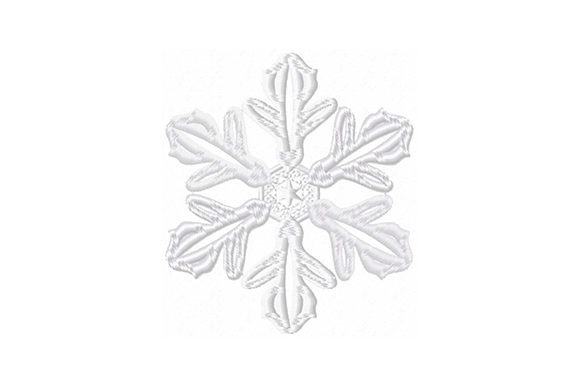
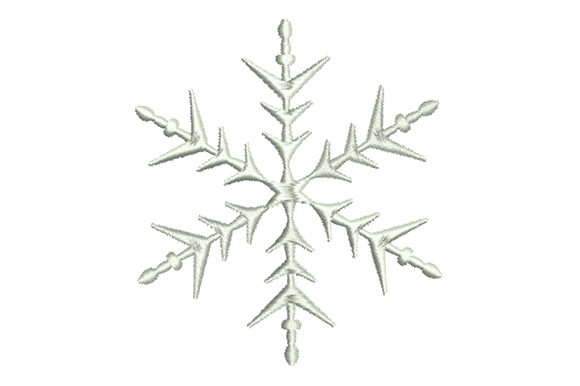
The Crystal Snowflake has a delicate, open structure that immediately suggests applications where a subtle accent is more valuable than a bold statement. The design feels like a genuine snowflake caught mid-fall—fragile, geometric, and evenly balanced. It does not crowd itself with excessive detail, which is a wise choice for a motif meant to be repeated across a tablecloth or scattered on a winter costume. The shape reads clearly at a glance, and the negative space gives it a modern, almost minimalist personality.
Mood-wise, this design leans toward elegant, clean, and seasonal without being overly literal. It works for Christmas, New Year, and winter-themed projects, but it also fits into a broader range of cold-weather decor and apparel. I can see it used on a white linen tablecloth for a holiday dinner, or stitched in silver on a deep navy sweatshirt for a boutique product line. The versatility is there, provided the fabric and thread choices are made with care.
Real-World Performance: Stitching Out the Crystal Snowflake
I tested the Crystal Snowflake on a mid-weight cotton twill tote bag, a polyester sweatshirt, and a piece of linen intended for a tea towel. The design stitched out cleanly on all three, though the results varied in ways that matter for a small business owner or Etsy seller.
On the cotton tote, the snowflake sat flat and crisp. The satin stitches and fill stitches held their shape without puckering, and the open areas allowed the fabric to breathe. On the sweatshirt, I used a cutaway stabilizer and a light hand with the hoop tension, and the design still came out well, though the slight stretch of the knit required a bit more attention during hooping. The linen handled the embroidery beautifully, with the fine threads of the fabric adding a subtle texture behind the motif.
One thing I appreciate about this design is that it does not crowd the fabric with dense stitch areas. The stitch density feels appropriate for a decorative accent. It is not so heavy that it stiffens the fabric, but it is dense enough to hold its shape after multiple washes. For a handmade product that will be used and laundered, like a kitchen towel or pillow cover, that is a significant advantage.
Best Applications: Where This Design Shines
After working with the Crystal Snowflake across several project types, I have a clear sense of where it delivers the most value.
- Table linens and home decor: A single snowflake on a tea towel or a scattered pattern on a Christmas tablecloth feels refined and intentional. The design is light enough that it will not weigh down the fabric, and it can be repeated without overwhelming the piece.
- Custom apparel and sweatshirt embroidery: On a solid-color sweatshirt, especially in a metallic or bright white thread, the snowflake becomes a subtle statement piece. It works well as a chest accent or a centered back design.
- Embroidered patches: Because the design is open and not overly dense, it works nicely as a patch that can be applied to tote bags, caps, or jackets. The silhouette holds up well when cut out and edged.
- Baby and children's items: The snowflake is small and soft enough for a baby blanket or a baby onesie, provided the fabric is stable and the stabilizer is chosen correctly.
- Holiday gifts and personalized products: For an Etsy shop owner, this design is easy to pair with a name or a short greeting. It does not compete with text, so it can sit beside a monogram or a date on a personalized gift.
The Crystal Snowflake also fits well into a craft business that focuses on boutique merchandise. It looks professional without being overly complex, which means customers will perceive it as a high-quality detail rather than a dominant graphic.
Where to Use Caution
No design is perfect for every situation, and the Crystal Snowflake has a few boundaries worth noting.
- Small hoop sizes: If you are working with a compact hoop, check the design dimensions first. The open structure means that shrinking it too much could cause the fine lines to lose definition.
- Dark fabrics: On very dark backgrounds, the thread color needs to be chosen carefully. A white or silver thread will pop nicely, but a dark blue or black thread may blend into the fabric and hide the delicate details. I recommend testing a black and white mockup before committing to thread colors.
- Stretchy or thin fabric: The design is light, but it still requires a stable base. On a stretchy knit or a very thin silk, you will need a firm stabilizer and careful hooping to prevent distortion.
- Curved surfaces like caps: Because the snowflake has a symmetrical, geometric shape, it can be tricky to place on a curved surface without visible distortion. If you are planning a cap embroidery, test the placement on a curved hoop first.
- Frequent washing: While the design holds up well, the fine points and open areas may be more vulnerable to snagging on heavy-duty items like aprons or kitchen towels that see constant use. A fill stitch or running stitch detail at the tips can help reinforce the edges.
Practical Designer Notes for the Crystal Snowflake
Before you use this machine embroidery design in a client project or a digital embroidery file sale, here are the steps I recommend based on my own testing.
- Test on scrap fabric first. Always. The Crystal Snowflake may behave differently on linen than it does on a cotton-poly blend. Run a test stitch-out on the exact fabric you plan to use.
- Check thread color contrast. This design relies on clean lines and open space. If the thread blends into the fabric, the snowflake will lose its definition. A metallic or high-contrast thread works best.
- Review stitch density. While the design is not overly dense, I still recommend checking the stitch count and density settings in your embroidery software. If you are using a satin stitch for the outer edges, make sure the density is not too tight for the fabric weight.
- Confirm hoop size. The design should fit comfortably within your hoop without crowding the edges. A larger hoop leaves room for proper tension and fabric control.
- Inspect small details. The delicate points of the snowflake may be the first to show wear if the design is scaled down too much. Keep the size reasonable for the intended product.
- Use proper stabilizer. For most projects, a tear-away stabilizer will work, but for stretchy or thin fabrics, switch to a cutaway stabilizer. The Crystal Snowflake is light, but it still needs a stable foundation.
- Check licensing if selling finished items. If you are an Etsy seller or a small shop product creator, confirm the license terms of the embroidery file before using it in commercial projects. Some designs allow unlimited use, while others require a separate commercial license.
- Test in black and white mockups. Before stitching, create a printable mockup in grayscale to see how the design reads without color. This helps you spot any areas where the detail may get lost.
Commercial Considerations for Etsy Sellers and Small Business Owners
If you are running a craft business or a handmade shop, the Crystal Snowflake offers a few distinct advantages. It is seasonal enough to attract holiday shoppers, but subtle enough to stay in your product line through the winter months. The light stitch count means it is quick to produce, which is always a benefit when you are fulfilling multiple orders.
For apparel decorators and custom apparel businesses, this design is a safe choice for clients who want something elegant without being flashy. It works well on sweatshirt embroidery, tote bag design, and baby embroidery projects. I would also recommend it for wedding gifts or holiday gifts where the snowflake motif feels appropriate without being too specific to any one celebration.
From a brand consistency perspective, the Crystal Snowflake has a clean, modern look that can be paired with a logo or a custom monogram. It does not fight for attention, so it serves as a supporting element in a larger design layout. For digital product sellers, this design works well as a standalone design asset or as part of a themed bundle. The open structure makes it easy to layer with text or other motifs.
Final Verdict: A Versatile, Lightweight Accent
The Crystal Snowflake is a well-considered machine embroidery design that delivers on its promise of being light and graceful. It does not try to be the center of attention, which is exactly what makes it useful. For a tablecloth, a sweatshirt, a pillow cover, or a handmade product that needs a subtle seasonal touch, this design is a solid choice.
My advice is to test it on your target fabric, choose your thread colors with contrast in mind, and use a stabilizer that matches the fabric weight. The Crystal Snowflake will reward you with clean, professional stitching that holds up well in daily use. Whether you are stitching for yourself, a client, or an Etsy shop, this design is worth adding to your winter collection.